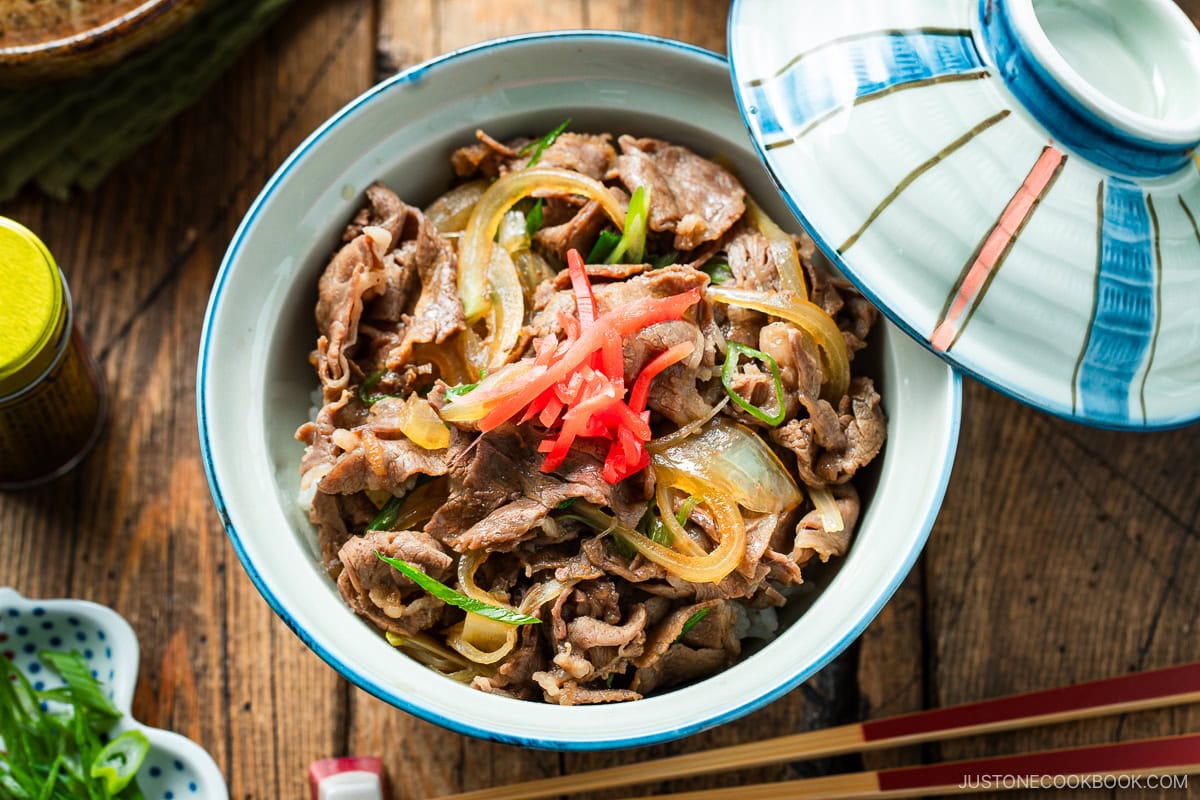
Homemade Gyudon: Why Your Japanese Beef Bowl Beats Fast Food Chains
There's a universally acknowledged truth in the world of comfort food: few dishes deliver the soul-warming satisfaction of a perfectly prepared meal. In Japan, few dishes embody this more than gyudon, the iconic Japanese beef bowl. For many, the first encounter with gyudon might be at bustling fast-food chains like Yoshinoya, Matsuya, or Sukiya, where it serves as a quick, affordable, and incredibly popular workday staple. But what if we told you that the humble gyudon holds a secret potential for culinary transcendence? A homemade version, especially when crafted with care and premium ingredients, doesn't just rival these chains – it completely redefines the experience, offering a depth of flavor and luxurious texture that fast food simply can't match.
Gyudon, which literally translates to "beef rice bowl" (gyu for beef, don short for donburi or rice bowl), is a deceptively simple dish. Thin slices of beef and tender onions are simmered in a savory-sweet, soy-based sauce and served over a bed of fluffy steamed rice. While the chain versions offer convenience and a reliable flavor profile, they often compromise on ingredient quality and nuanced technique. This article will explore why taking the time to make your own homemade gyudon is an investment in unparalleled taste and texture, elevating this beloved classic from a quick bite to a gourmet delight.
The Ubiquitous Allure of Gyudon: A Japanese Fast-Food Icon
Before diving into the homemade superiority, it's worth acknowledging the significant role gyudon plays in Japanese culinary culture. It's a testament to its comforting qualities that millions flock to fast-food establishments daily for their fix. The appeal is clear: it’s fast, incredibly satisfying, and evokes a sense of homey goodness that belies its fast-food status. The savory broth, the tender (albeit thin) beef, the sweetness of the onions, and the warmth of the rice create a harmonious symphony of flavors that has captivated palates worldwide. It's truly one of Japan's most beloved donburi dishes, cherished for its simplicity and the sheer joy it brings.
However, the convenience of speed and cost in these establishments often comes at a price – the quality of ingredients and the depth of flavor. Chain operations typically rely on lower-grade, imported beef that is often tough and sinewy. To compensate, this beef is sliced incredibly thin and cooked for a relatively long time to achieve some semblance of tenderness. While effective for mass production, this approach can never truly unlock the full potential of a Japanese beef bowl.
Why Homemade Gyudon Elevates the Experience Beyond Chains
The true magic of gyudon unfolds when you take control in your own kitchen. This is where you can transform a mere meal into a luxurious culinary event, far surpassing anything a fast-food counter can offer. The key lies in strategic ingredient selection and the application of a few clever cooking techniques.
Superior Beef Selection: From Low-Grade to Luxe Wagyu
This is perhaps the most significant differentiator. Fast-food gyudon chains are bound by cost-efficiency, often opting for inexpensive, tough cuts of beef. When you make homemade gyudon, the world of high-quality beef opens up. Imagine using exquisitely marbled A5 Wagyu beef. This premium Japanese beef boasts a buttery, melt-in-your-mouth texture that is simply unparalleled. Sliced for sukiyaki (around 2mm thick), the inherent marbling of Wagyu ensures each bite is supremely tender and rich, dissolving on your tongue without needing prolonged cooking times.
Even if A5 Wagyu is beyond your budget, opting for a well-marbled beef chuck or shoulder roast, sliced similarly, will yield a significantly superior result to the chain versions. The quality of your beef directly translates to the richness and succulence of your final gyudon Japanese beef bowl.
The Art of the Sauce: Deeper Flavor, Silkier Texture
While fast-food chains offer a decent savory-sweet sauce, homemade versions allow for incredible depth and a luxurious mouthfeel. The foundation of any great gyudon sauce is dashi, a traditional Japanese soup stock made from kombu (seaweed) and katsuobushi (bonito flakes). Dashi provides that essential umami-packed base that perfectly harmonizes with the beef.
- Umami Boosters: Combined with Japanese dark soy sauce (for savory depth) and mirin (sweet rice wine loaded with amino acids), the sauce becomes a powerhouse of balanced flavors without the need for added sugar.
- The Chef's Secret: Gelatin. This is where homemade truly shines. A clever chef's trick involves adding a touch of gelatin to the sauce. This mimics the slick, unctuous texture of a rich bone broth that has been slow-cooked for hours. The gelatin allows the sauce to beautifully cling to every slice of beef and every grain of fluffy rice, creating an incredibly satisfying mouthfeel that's simply absent in fast-food versions. This technique transforms the sauce from merely flavorful to truly luxurious. For an in-depth guide on incorporating these techniques, check out our article: A5 Wagyu Gyudon: Elevate Your Japanese Beef Bowl with Chef Tricks.
Perfectly Tender Onions and Thoughtful Preparation
Fast-food gyudon often features onions that are either overcooked and mushy or undercooked and sharp. At home, you control the cooking process, ensuring the yellow onions are caramelized just enough to become translucent and sweet, adding another layer of flavor and texture that complements the beef beautifully.
Another advanced technique, particularly useful with premium beef like Wagyu, is "shimofuri." This Japanese blanching method involves quickly dipping the beef in hot water to remove excess blood and fat while setting the protein on the surface. The result is a cleaner-tasting broth and an even purer beef flavor, a nuanced touch that fast-food operations simply don't have the luxury of employing.
Mastering Your Homemade Gyudon: Tips for Success
Crafting your own exquisite gyudon Japanese beef bowl is simpler than you might think, and the rewards are immense. Here are some actionable tips:
- Choose Your Beef Wisely: Aim for well-marbled beef. A5 Wagyu is the ultimate indulgence, but sukiyaki-sliced beef chuck or even sirloin can yield excellent results. Ask your butcher for thinly sliced meat (2mm is ideal for sukiyaki).
- Dashi is Key: Don't skip the dashi! While making it from scratch with kombu and katsuobushi is best, dashi granules or ready-made dashi packs offer a convenient alternative without sacrificing too much flavor.
- Balance the Sauce: The magic is in the ratio of dashi, soy sauce, and mirin. A good starting point is equal parts soy sauce and mirin to a larger volume of dashi, then adjust to your taste.
- Embrace Gelatin (Optional but Recommended): For that truly luxurious, clinging sauce, a small amount of unflavored gelatin (dissolved properly) will make a world of difference.
- Cook Gently: Thinly sliced beef cooks very quickly. Avoid overcooking, especially if using premium cuts like Wagyu, to retain its tenderness.
- Perfect Your Rice: A great gyudon needs great rice. Use Japanese short-grain rice, cooked to fluffy perfection.
- Don't Forget the Toppings: A raw egg yolk (or poached egg) adds incredible richness and creaminess, mixing beautifully with the sauce and beef. Pickled ginger (beni shoga) offers a refreshing counterpoint, and a sprinkle of shichimi togarashi (Japanese seven-spice blend) adds a subtle kick.
Even if you're looking for a quick meal, a homemade gyudon can be surprisingly fast to prepare. For a rapid recipe that still beats the chains, consult our guide: Fast & Easy Gyudon: Make a Japanese Beef Bowl in Under 15 Minutes.
Beyond the Basics: Customizing Your Japanese Beef Bowl
Once you've mastered the classic homemade gyudon, the possibilities for customization are endless. Experiment with different types of beef, like beef short rib for even more richness, or lean sirloin for a lighter take. Consider adding other vegetables, such as thinly sliced mushrooms, or garnishing with fresh spring onions. Adjust the spice level with extra shichimi togarashi, or even a touch of chili oil for a fusion twist. Serve it with a side of miso soup and a simple green salad for a complete, well-rounded meal that feels incredibly special.
In conclusion, while fast-food chains offer a convenient glimpse into the world of gyudon, they merely scratch the surface of its potential. By investing a little time and care into selecting quality ingredients and applying simple yet effective cooking techniques, your homemade gyudon Japanese beef bowl will transcend the ordinary. You'll discover a dish that is not only profoundly comforting but also exquisitely flavorful, boasting a melt-in-your-mouth texture and a sauce that lovingly clings to every component. It's a culinary journey from simple sustenance to luxurious indulgence, proving that sometimes, the best fast food is the one you make yourself.
